Subscribe to our blog

Your email:

Ask an Expert

Care to ask us a question and have it answered in our blog? Fill out the form below and we'll get right on it!

Air Pollution Control Innovations

Current Articles | RSS Feed RSS Feed

CFD in Air Pollution Control Systems

  | Share on Twitter Twitter | Submit to Digg digg it |  Add to delicious  delicious |  Submit to StumbleUpon StumbleUpon |  Share on LinkedIn LinkedIn | Submit to Reddit reddit 

By Mike Simon
Director of Simulation Products, Digital Dimensions

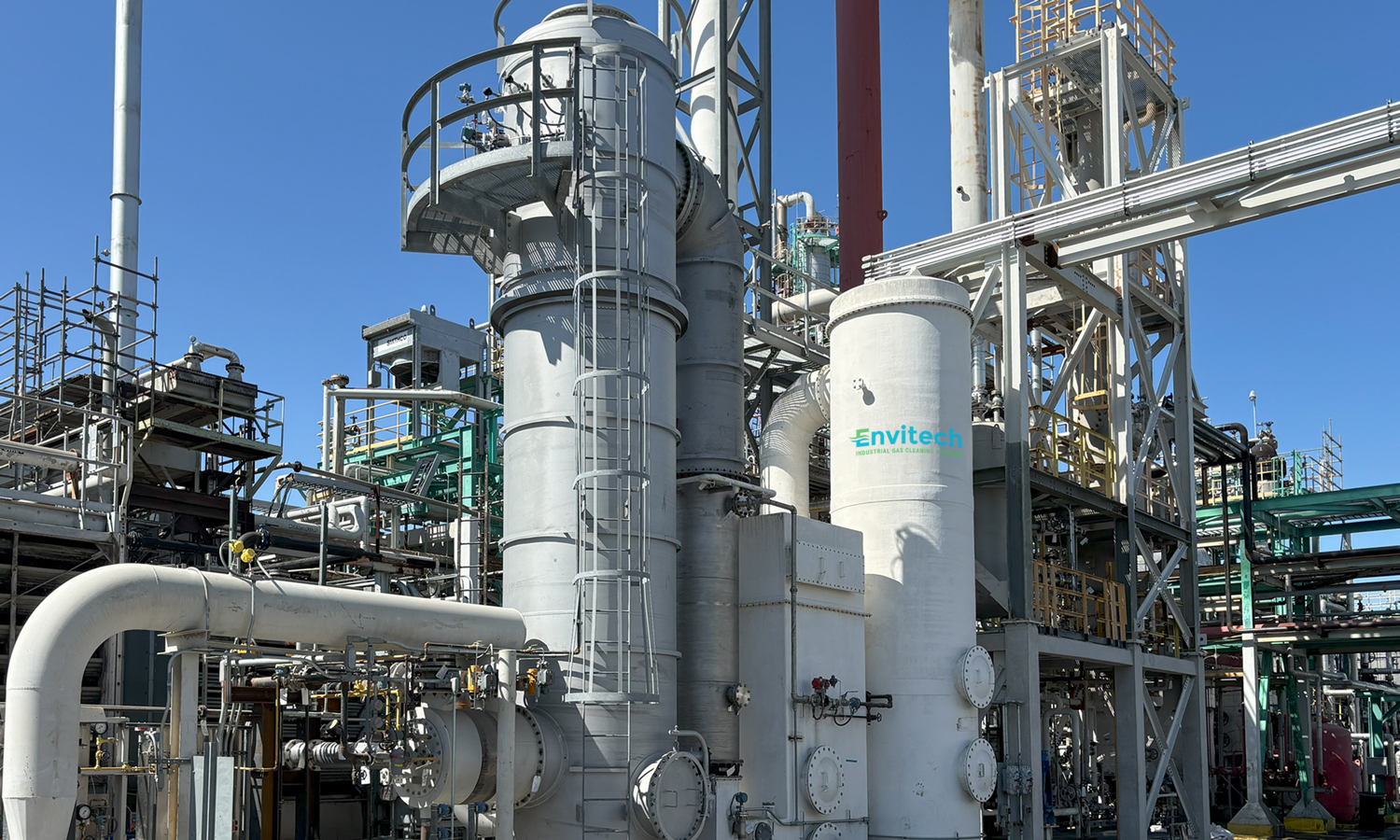
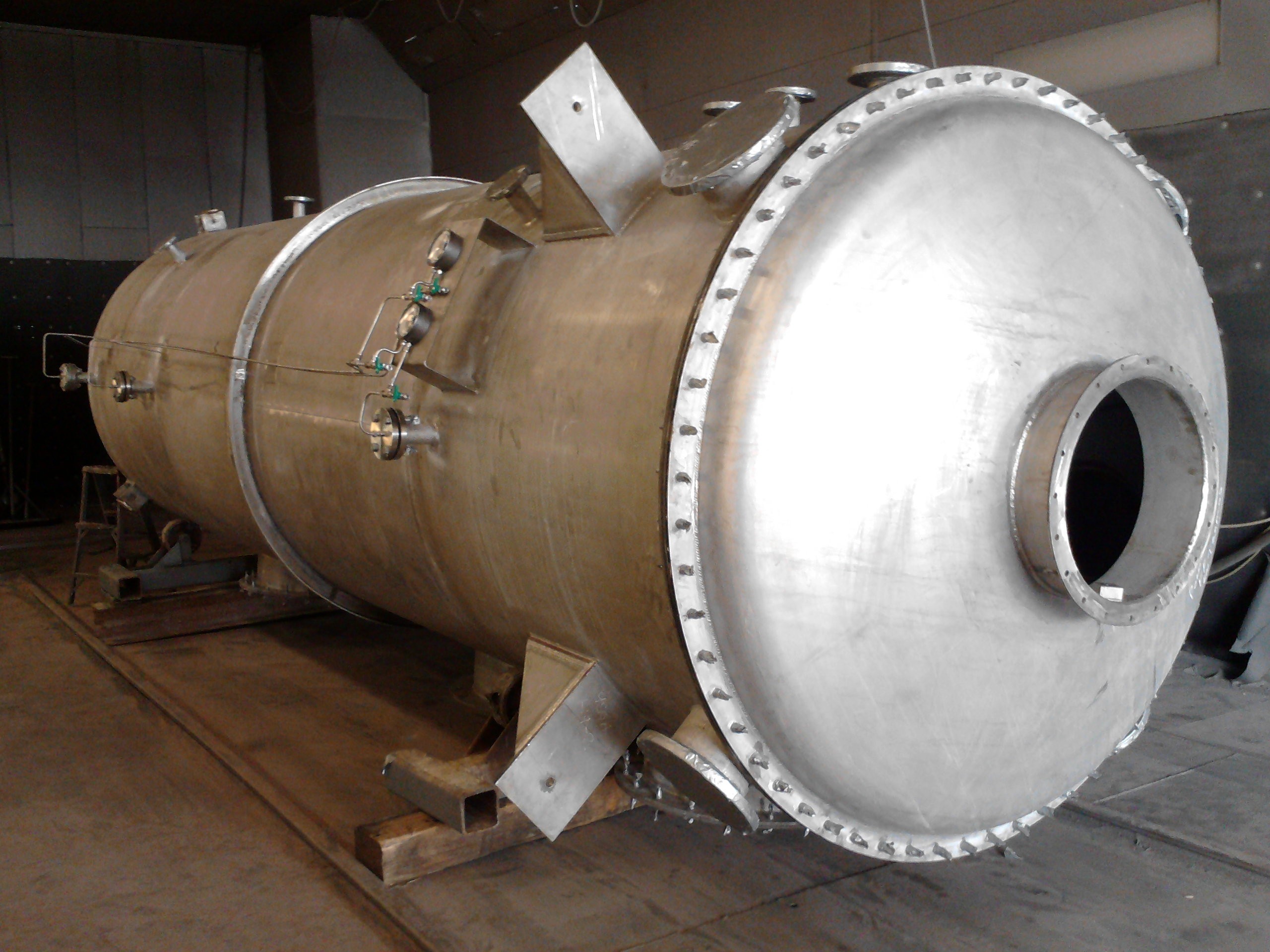
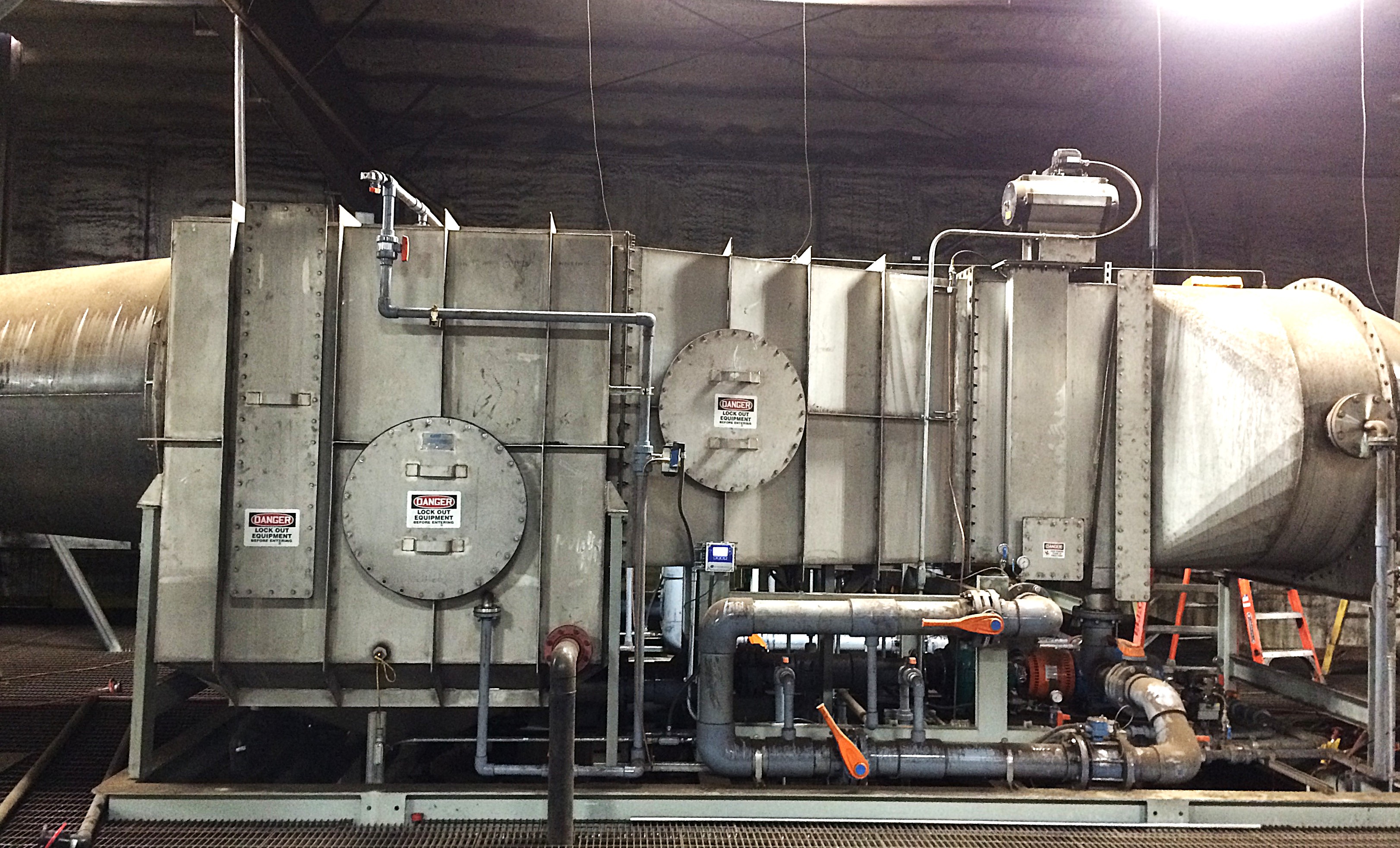
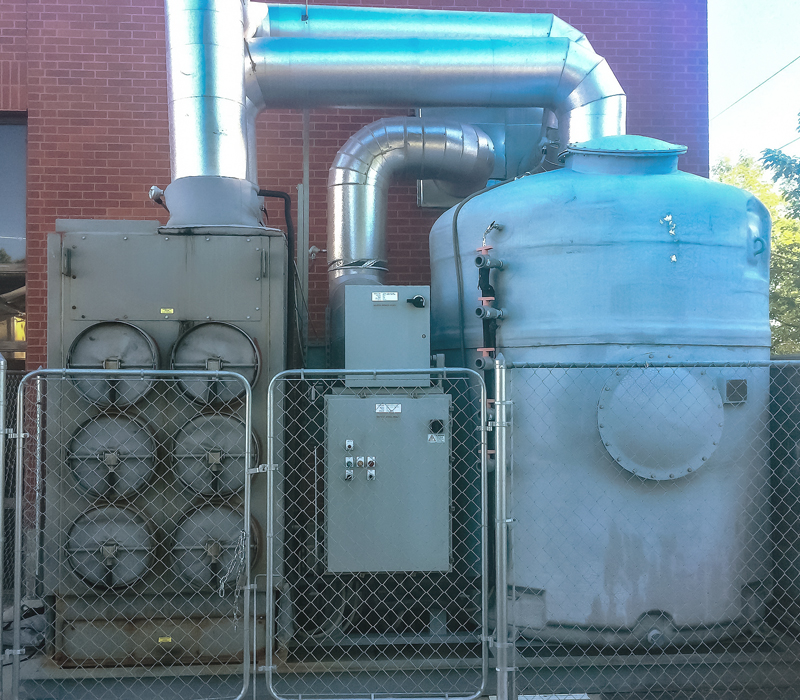
Understanding how simple design changes affect the airflow inside of Envitech's products is critical in designing efficient industrial gas cleaning systems.  Engineers who design this equipment need to analyze and understand the behavior of the components if they want to improve performance.  Computational Fluid Dynamics (CFD) is a good tool for studying the effects of different design changes on these systems.  CFD provides a way to save time and money in obtaining the necessary information, and assists engineers in designing better quality air pollution control systems.    The use of CFD makes it possible to minimize the use of physical prototypes and find serious flaws much earlier in the design process. 

SolidWorks is the 3D CAD system used by Envitech to design their industrial gas cleaning systems.  SolidWorks has a number of complementary features to its mechanical CAD system including CFD capabilities that are fully integrated within the main CAD interface.  SolidWorks Flow Simulation is the name of the CFD program inside of SolidWorks that allows engineers to take their 3D CAD models and perform virtual prototyping on their designs without having to fabricate any parts.  To perform a simulation, the following steps are needed:

  • 1. Create solid model in the SolidWorks CAD system
  • 2. Specify the working fluid ( air was used in this case)
  • 3. Specify the flow rate at the duct inlet
  • 4. Specify the outlet opening of the duct
  • 5. Specify the pressure drop or resistance properties of the filter material (properties taken from filter manufacturer specifications)
  • 6. Run the simulation inside of the SolidWorks interface

Flow Simulation


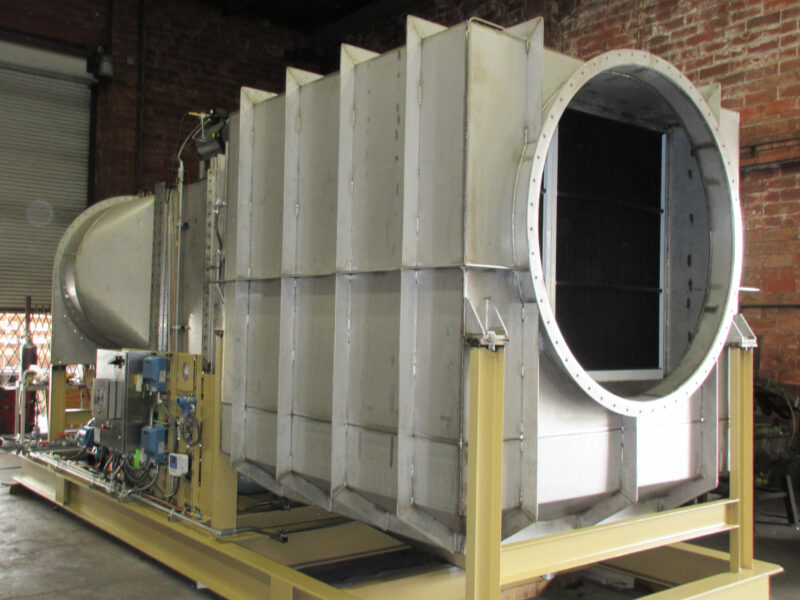
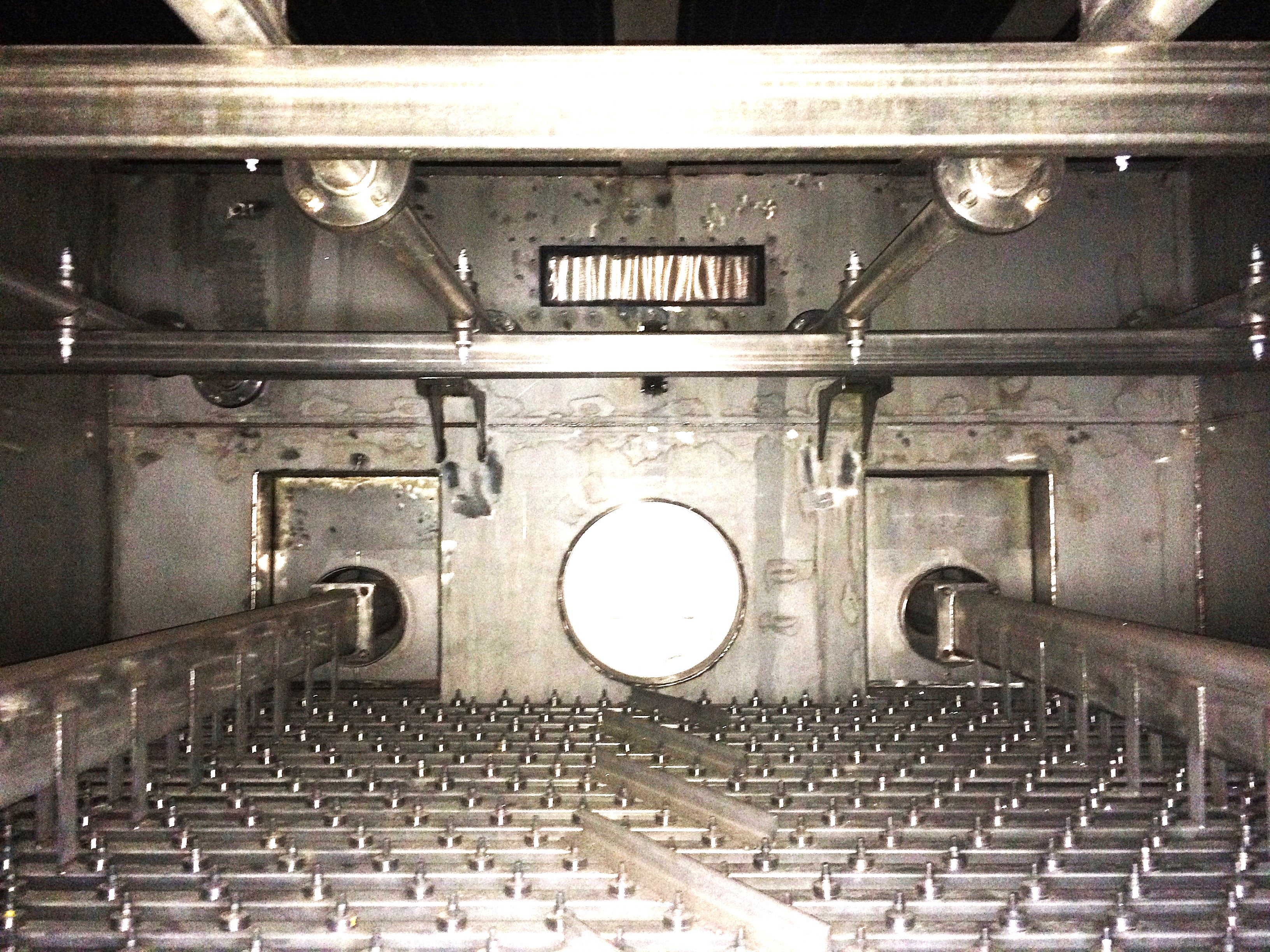
Envitech's products were particularly challenging since Envitech's products utilized very thin fins and packing materials within a large ducting area.  Thin fins are used to direct the airflow and also to collect water from entering the system.  SolidWorks Flow Simulation was able to capture the geometry of these thin fins and create a corresponding CFD model for the simulations.  Packing material is used to help distribute airflow and trap particulates from being released into the environment.  The porous media feature inside of SolidWorks Flow Simulation was used to simulate the packing material and create the additional resistance to the airflow.  After performing the simulations, the Envitech engineers had the ability see the effectiveness of the scrubber fins in directing the airflow and to understand the pressure drops caused by the packing material.  The simulations helped the Envitech engineers validate their designs and gave them additional insight into how to improve future product performance.

For additional information on SolidWorks CAD or SolidWorks Flow Simulation software, go to http://www.ddicad.com/ or contact Mike Simon, Director of Simulation Products, at msimon@ddicad.com.

Guest Blog: CFD Analysis

  | Share on Twitter Twitter | Submit to Digg digg it |  Add to delicious  delicious |  Submit to StumbleUpon StumbleUpon |  Share on LinkedIn LinkedIn | Submit to Reddit reddit 

Digital DimensionsI am very excited to announce that we will be publishing our first special guest blog post tomorrow, Tuesday, October 27.  The topic of the blog will be CFD analysis in air pollution control systems.

Our guest blog author is Mike Simon, Director of Simulation Products at Digital Dimensions.  Mike is a former SolidWorks/Cosmos Technical Manager and he has 10 years of FEA/CFD experience at companies such as General Atomics and General Dynamics.  Mike earned a BSME from UCSD, a MSME from Stanford, and a MBA from USD.  I am sure you will find his article very interesting.

A little more background Digital Dimensions...In addition to being an authorized reseller of Solidworks, Digital Dimensions hosts a variety of Solidworks training sessions, including topics such as structural analysis, flow simulation, and heat transfer - all tools available in the Solidworks design package.  I personally have benefited tremendously from the training sessions, and would recommend it to anyone interested in CFD or structural analysis using 3D models.  I use the CFD analysis on many of our Venturi scrubber designs as well as for our wet electrostatic precipitators.

Tags: 
All Posts